

Exploring the Depths of Black Spirituality: A Journey Through History and Culture
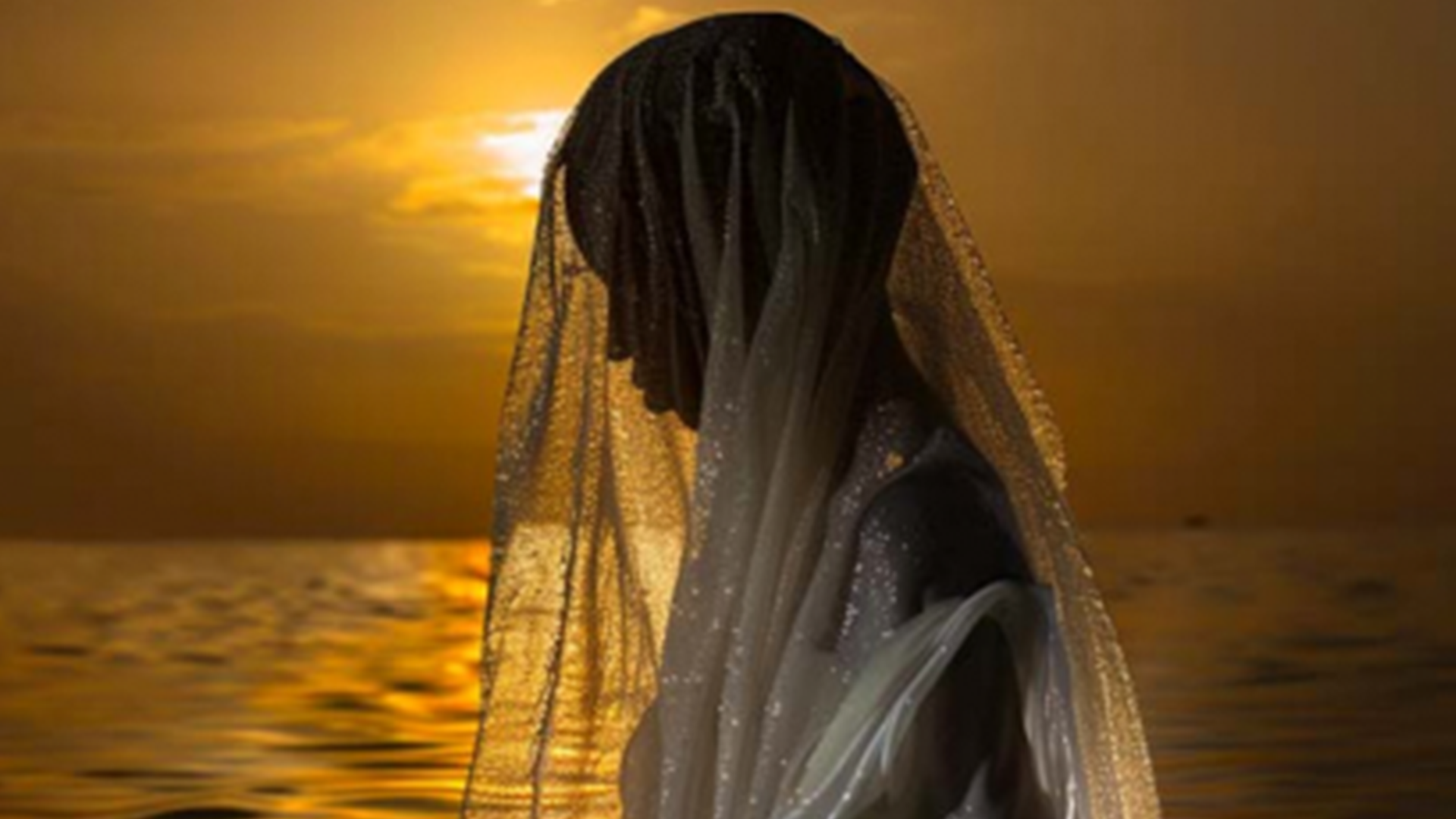
Black spirituality is a vast and multifaceted phenomenon that has played a central role in the lives of people of African descent for centuries. It encompasses a rich tapestry of beliefs, practices, and cultural expressions that have evolved and adapted over time, reflecting the diverse experiences and influences of the African diaspora.
At its core, black spirituality is deeply rooted in resilience, resistance, and revival. It embodies a profound connection to ancestry, community, and the divine, serving as a source of strength and sustenance in the face of adversity. To truly understand the complexities and nuances of black spirituality, it is essential to explore its historical foundations, cultural manifestations, and contemporary significance.
Never underestimate the power of dreams and the influence of the human spirit. We are all the same in this notion: The potential for greatness lives within each of us.
Wilma Rudolphfirst American woman to win three gold medals at a single Olympic Games
Historical Foundations
The origins of black spirituality can be traced back to the continent of Africa, where diverse indigenous religious traditions flourished for millennia. These traditions, characterized by animism, ancestor veneration, and polytheism, reflected a deep reverence for the natural world and the interconnectedness of all beings.
With the onset of the transatlantic slave trade, millions of Africans were forcibly displaced from their homelands and transported to the Americas under brutal and inhumane conditions. Despite the trauma and oppression they endured, enslaved Africans carried with them their spiritual beliefs and practices, which served as a source of resilience and resistance in the face of dehumanization.
In the crucible of slavery, African spirituality intersected with European Christianity, giving rise to syncretic religious traditions such as Vodou in Haiti, Santeria in Cuba, and Candomblé in Brazil. These syncretic religions blended elements of African animism and ancestor worship with Catholicism, creating hybrid belief systems that provided enslaved Africans with a sense of cultural continuity and spiritual empowerment.
Cultural Manifestations
Black spirituality finds expression through a diverse array of cultural forms, including music, dance, art, and literature. From the spirituals sung by enslaved Africans in the fields of the American South to the vibrant rhythms of Afro-Cuban drumming ceremonies, music has long been a central component of black spiritual expression.
Similarly, dance serves as a sacred practice in many African-derived spiritual traditions, embodying the rhythms of life and connecting practitioners with the divine. Whether it’s the ecstatic movements of the Sufi whirling dervishes or the ceremonial dances of the Yoruba orisha devotees, dance offers a profound means of communion with the spiritual realm.
Art and literature also play a vital role in black spirituality, providing channels for creative expression and cultural preservation. From the intricate beadwork of West African masquerades to the powerful poetry of the Harlem Renaissance, black artists and writers have drawn inspiration from their spiritual beliefs and cultural heritage, using their creative talents to celebrate, critique, and transcend the human condition.


Contemporary Significance
In the modern era, black spirituality continues to evolve and adapt to changing social, political, and cultural landscapes. While many traditional religious practices remain vibrant and active within African diasporic communities, new forms of spiritual expression have also emerged, shaped by contemporary experiences and concerns.
One such expression is the Black Lives Matter movement, which emerged in response to systemic racism and police brutality against Black communities. Rooted in the principles of justice, equity, and collective liberation, Black Lives Matter embodies a spiritual ethos that calls upon individuals to recognize the inherent dignity and worth of all people and to work towards the realization of a more just and equitable society.
Similarly, the rise of Afrofuturism—a cultural aesthetic that blends elements of science fiction, fantasy, and African mythology—offers a visionary perspective on the future of black identity and spirituality. Through speculative fiction, visual art, and music, Afrofuturist creators imagine new worlds and possibilities, challenging conventional notions of time, space, and existence.
In conclusion, black spirituality is a dynamic and multifaceted phenomenon that encompasses a vast array of beliefs, practices, and cultural expressions. From its historical roots in African indigenous religions to its contemporary manifestations in movements like Black Lives Matter and Afrofuturism, black spirituality continues to shape the lives and experiences of people of African descent around the world. By exploring the depths of black spirituality, we gain insight into the resilience, creativity, and enduring spirit of a global community united by faith, culture, and collective memory.
Subscribe to The Knowing
Thank you for subscribing to the newsletter.
Oops. Something went wrong. Please try again later.
Coverage on Black culture you can count on.
Subscribe toThe Knowing
Thank you for subscribing to the newsletter.
Oops. Something went wrong. Please try again later.

Comments
Atifah
I really loved reading this issue!!